The information on this website is general in nature and does not take into account your objectives, financial situation, or needs. Consider seeking personal advice from a licensed adviser before acting on any information.
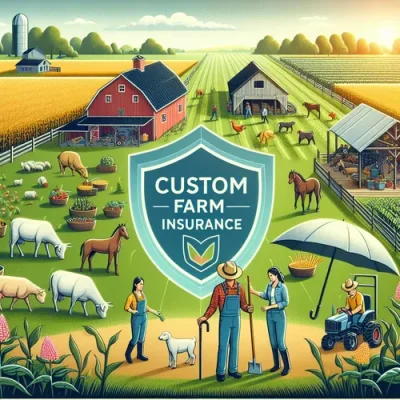
Welcome to the world of farm insurance, where no two policies are the same, just as no two farms mirror each other in operations and risks. As a farmer, you are acutely aware that your agricultural endeavors bring a unique set of challenges and needs. Recognizing this diversity is the first step in protecting your livelihood.
The concept of a one-size-fits-all policy falls short when it comes to agriculture. Your farm functions with its distinct rhythm, and thus, requires a tailored insurance plan that resonates with your specific agricultural narrative. It's not just about having insurance; it’s about having the right insurance.
Farmers are often at the mercy of elements beyond their control, and this is where a custom insurance plan becomes invaluable. From adverse weather conditions to fluctuating market prices and even regulatory changes, the agricultural landscape is fraught with potential risks. A custom farm insurance plan can provide a safety net, ensuring that when challenges arise, you have the necessary support to recover and thrive.
Evaluating Your Farm's Specific Needs
Every farm has its particular requirements and assessing these is crucial in creating a custom insurance plan. Whether you run a small family-owned farm or a large agricultural enterprise, the size of your operation will heavily influence the types of coverage you need.
The nature of your farming activities-be it crop cultivation, livestock breeding, dairy farming, or a combination of various agricultural practices-also determines the shape of your insurance. These activities dictate the specific protections you'll require to safeguard against losses.
Your farm's location plays a significant role as well. From regulation differences to climate variations, where your farm is situated can drastically affect the type of insurance coverages that are most beneficial for your business.
Assessing Farm Size, Type, and Location
Taking a careful look at your farm’s size, the variety of operations you undertake, and the geographic area where your farm is positioned, is the first step to understanding the risks involved. The larger your farm, the more you may be exposed to substantial risks, necessitating broader coverage.
Analyzing the Value of Crops and Livestock
The value of your crops and livestock is tied closely to market prices and production levels. A realistic valuation is crucial for insurance purposes, should an unexpected event impact your yield or herd.
Factoring in Equipment and Infrastructure
A crucial facet often overlooked is the equipment and infrastructure that keeps your farm operational. From tractors and harvesters to storage facilities and barns, each plays a critical role and should be factored into your insurance plan to ensure you're fully protected.
Key Components of a Custom Farm Insurance Plan
Constructing a comprehensive farm insurance plan involves piecing together various coverage components to match your farming operation's unique needs. The patchwork of protections spans assets such as crops and livestock, and also extends to your property, equipment, and the unpredictable domain of legal liabilities.
Crop Insurance: Types and Levels of Coverage
Crop insurance is integral for weathering the storm of unpredictable events such as droughts, floods, and pests. Coverage varies, from multi-peril policies that protect against a range of risks to crop-hail policies specifically designed for damage from hail. Determining the correct type and level of coverage considers the crops you grow and the threats endemic to your region.
Livestock Insurance: Options for Different Kinds of Animals
For those who raise animals, livestock insurance covers a plethora of scenarios, from the death of animals due to accidents or disease to loss of income from an inability to sell or breed due to covered events. Policies are often tailored, whether you rear cattle, poultry, swine, or specialty livestock like alpacas or llamas.
Property Insurance: Covering Farm Buildings and Dwellings
Property insurance safeguards your farm infrastructure against damage or destruction. Comprehensive plans can cover your home, barns, silos, and even the loss of food and feed stored within. Customization enables you to select coverages that protect against specific perils, relevant to the structures essential for your farming operations.
Equipment Insurance: Protection for Machinery and Tools
Modern agriculture depends heavily on machinery and tools. From the humble plow to sophisticated combine harvesters, equipment insurance protects your investment against the unexpected, covering repair or replacement costs and thus minimizing operational downtime.
Liability Insurance: Safeguarding against Legal Claims
Last but not least, liability insurance is a pillar of any farm insurance plan. It protects the farm owner from legal claims arising from accidents, injuries, or damage to third-party property. This coverage is crucial considering the myriad of activities and interactions on a farm that could potentially trigger liability issues.
The Role of a Farm Insurance Broker
Finding the ideal farm insurance plan is not just about understanding your farming operation's needs but also about partnering with the right insurance agent. An experienced farm insurance agent with agricultural expertise is an invaluable asset when constructing your custom policy.
Why is the right agent so crucial? A specialized farm insurance agent speaks your language, knows the industry's ins and outs, and recognizes the typical challenges that farmers face. Your connection with a clued-up agent ensures you're getting the best advice and the most robust coverage for your investments.
Selecting the Right Agent with Agricultural Expertise
When selecting an insurance agent, it’s imperative to choose one who has a strong background in the agricultural sector. An agent with firsthand knowledge of farming can better grasp the nuances of your farm’s operation and can craft policies that address the specific risks inherent in your sector of agriculture. They bring a wealth of knowledge that goes beyond the standard insurance jargon to practical implications on the farm.
Working Closely with Your Agent to Identify Vulnerabilities
It’s also critical to work closely with your agent, who can walk your property, understand your business processes, and identify potential vulnerabilities. Together, you can pinpoint the areas where your farm is most exposed and susceptible to risk. Arming your agent with this information means they can tailor the coverages precisely, reinforcing your farm's defense against the unexpected.
Benefiting from Personalized Advice and Service
The perks of finding an agent versed in agricultural matters go beyond the setup of your custom policy. It encompasses ongoing service and advice as your farm evolves and as market or environmental conditions change. Personalized service means your agent can make recommendations for adjusting your coverage, ensuring it keeps pace with the growth and changes of your farming business over time.
Strategic Coverage Options and Endorsements
When tailoring your farm insurance policy, basic coverage is a starting point to ground your plan. However, to fully protect your agricultural business, it's strategic to consider various add-ons and endorsements that can be appended to your base policy. These additional options grant you enhanced protection, addressing the intricate details of your specific farming needs.
Add-ons and Endorsements to Enhance Basic Policies
Add-ons, or riders, and endorsements allow you to personalize your farm insurance beyond its standard scope. They are optional benefits you can purchase to cover risks that aren't included in a typical farm insurance policy. This could include coverage for valuable papers, electronic data, and even extra security for incidents that increase the cost of farm operations.
Natural Disaster Coverage: Floods, Droughts, and Other Events
Natural disasters pose a serious threat to the agricultural community. Given their devastating impact, it's essential to consider coverage options for such events. Flood insurance and drought coverage are examples that counteract the repercussions of severe weather anomalies on your yield and livestock. Policies can also address other nature-born challenges such as wildfire, wind, and extreme temperature changes.
Business Interruption Insurance for Sustained Operations
A critical component often overlooked by farm owners is business interruption insurance. This indemnifies you against income lost during periods when your farm is not operational due to covered events. It helps maintain cash flow, enabling you to pay expenses like loans and property taxes, and provides a financial buffer while you work to resume full farming operations. Including this coverage ensures that your farm can survive a disaster not just in physical repair but also economically.
Managing Costs Without Sacrificing Coverage
Farm insurance is essential, but it also represents an investment. Balancing cost with the need for adequate coverage is crucial to ensure financial sustainability for your agricultural operations. There are strategies to manage expenses while maintaining a robust safety net.
Understanding the Relationship Between Deductibles and Premiums
The connection between deductibles and premiums is at the heart of your insurance costs. A higher deductible typically results in lower premium payments, which can make your policy more affordable in the short term. However, it's important to assess the financial impact this choice may have if a loss occurs, ensuring you're able to comfortably cover the deductible out-of-pocket following a claim.
Finding the Balance Between Risk and Protection
Asserting the right balance between risk and protection is vital. This involves introspection into your farm’s ability to absorb financial risks. By identifying the most critical assets and potential risks that could devastate your operation, you can better decide where to allocate resources for the most protective coverage without over-insuring less vulnerable areas.
Utilizing Discounts and Insurance Bundles
Lastly, exploring available discounts and considering insurance bundles can lead to substantial savings. Ask your farm insurance agent about multi-policy discounts, loyalty discounts, or reduced rates for adopting certain safety measures on your farm. Bundling multiple coverages with the same provider not only could lower your premiums but also simplify your insurance management.
Claims Process: Getting Compensated Fairly and Timely
When adversity strikes in the form of a natural disaster, equipment failure, or any number of unforeseen incidents, the claims process is the pathway to your farm's recovery. Understanding this process is fundamental to ensuring you receive fair and timely compensation. An efficient claims process can lighten the burden of loss, allowing you to focus on returning to normal operations as smoothly as possible.
The Step-by-Step Process of Filing a Claim
Filing a claim typically starts with immediate notification to your insurance provider about the event. The sooner you alert them, the quicker they can begin the process. Next, you may need to provide a detailed description of the loss, supporting it with any available evidence such as photographs, videos, or witness statements. Your provider will then guide you through the subsequent steps, which may include filling out claim forms and arranging for an assessor's evaluation.
Documentation and Record-Keeping Best Practices
The foundation of a successful claim lies in diligent record-keeping and documentation. It is essential to maintain up-to-date records of your farm's assets, including livestock, equipment, crops, and infrastructure. Keeping receipts, appraisals, and an inventory log can prove indispensable. Furthermore, documenting incidents as they occur, with date and time stamps, can help substantiate your claim, establishing a clear timeline and context for the insurance company.
Navigating Challenges During the Claims Process
It's not uncommon to face challenges during the claims process, whether due to disputes over damages, delays in assessments, or even partial claim denials. Should these obstacles arise, it's crucial to remain proactive by communicating clearly and consistently with your insurance agent. If disagreements occur, be prepared to provide additional evidence or seek assistance from experts such as appraisers or legal advisors. Your aim is to negotiate a fair resolution, and with the right documentation and a thorough understanding of your policy, you are well-equipped to navigate these challenges.
Staying Informed: Keeping Your Custom Policy Current
Ensuring that your farm insurance policy remains accurately aligned with the evolving dynamics of your agricultural business is imperative. Changes to your operations, whether by expansion, diversification, or alteration in farming practices, necessitate a revisit of your insurance coverage. Regular reviews with your insurance agent can help to keep your policy current and reflective of your farm's present state.
Moreover, the fluctuating nature of agricultural markets, along with possible regulatory shifts, can affect the adequacy of your existing coverage. An insurance policy should be a living document, with the flexibility to adapt to external economic pressures and internal changes within your farm.
Regular reviews and updates with your agent
Conducting regular policy reviews ensures any new developments in your farming operation are captured and safeguarded. Schedule annual or bi-annual meetings with your agent to discuss recent changes, be it the addition of new structures, purchase of equipment, or a transition to different crops or livestock. This proactive approach keeps your agent informed and your policy up-to-date.
Adjusting coverage to reflect changes in farm operations
As your farm grows or transitions, the scope of your operations may demand different insurance necessities. Adding a new product line, for instance, introduces new risks. Adjusting your coverage in real-time to reflect such shifts is crucial. It ensures that in the face of a loss, you're neither over-insured nor under-insured, potentially saving you money and stress in the long run.
Understanding policy adjustments due to market or regulatory changes
A keen awareness of market trends and regulatory changes is vital to remain compliant and economically viable. Your insurance policy should be flexible enough to accommodate such shifts. As market conditions influence the value of your produce and livestock, or as new regulations come into play, your agent can help navigate these complexities, adapting your insurance plan as necessary to ensure continuous, adequate coverage.
The Path Forward with Custom Farm Insurance
Throughout this article, we've explored the myriad advantages of a tailored farm insurance plan. It is clear that such an approach is not just beneficial but vital to secure the livelihoods of those in the agricultural sector. A personalized insurance policy ensures that coverage directly corresponds to the unique risks and operations of your farm.
For farmers looking to harness the benefits of custom coverage, the next steps involve careful assessment of their farming operations and active seeking of knowledgeable insurance agents. It's crucial to evaluate the specifics of your farm, considering size, location, types of crops and livestock, and the equipment you depend on. This evaluation will lay the groundwork for initiating a dialogue with agents who can guide you through the complexities of farm insurance.
Proactive communication with your insurance provider cannot be overstated. Establish a partnership underpinned by regular conversations, reviews, and updates. Such engagement ensures that your policy evolves alongside your farm, offering protection that mirrors your farm's current needs. By staying informed and working closely with your agent, you cement a path that not only insulates your agricultural business from the unpredictability of nature and markets but also positions you for enduring success.
Published: Wednesday, 21st Feb 2024
Author: Paige Estritori



No comments yet. Be the first to share your thoughts.