

Farm Insurance Online :: News
SHARE

Share this news item!

Fire Ant Concerns Add Another Layer to Farm Risk Planning

Biosecurity controls, movement rules and liability exposures deserve close attention

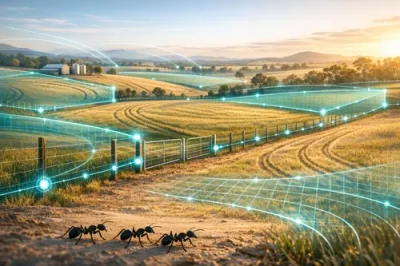
Fire Ant Concerns Add Another Layer to Farm Risk Planning?w=400

The information on this website is general in nature and does not take into account your objectives, financial situation, or needs. Consider seeking personal advice from a licensed adviser before acting on any information.

Renewed rural attention on red imported fire ants is a timely reminder that biosecurity risk is not limited to livestock disease or crop pathogens.
For Australian farm businesses, an invasive pest can create a chain of practical problems: movement restrictions, extra compliance work, damaged ground, animal welfare concerns, worker safety issues and possible disruption to harvest, transport or sales.

Fire ants are particularly challenging because they can spread through soil, hay, turf, mulch, machinery, nursery stock and other materials commonly moved around rural and semi-rural properties. Where control zones or treatment requirements apply, producers may need to adjust how they store, load, clean and transport goods. Even if a property is not directly infested, nearby detections can affect contractor access, cartage arrangements and buyer confidence.

From an insurance perspective, the key point is that not every biosecurity cost is automatically covered. Standard farm policies may respond to sudden physical damage caused by insured events, but pest eradication, quarantine expenses, loss of market access, reduced productivity or gradual deterioration can sit outside ordinary cover unless a specific extension applies. Livestock, crops, stored produce, fencing, machinery and sheds may also be treated differently under the same policy.

Farm operators should use this as a prompt to check three areas. First, review policy wording for pest, contamination, biosecurity, disease, government order and business interruption exclusions. Secondly, consider liability exposures if workers, contractors, visitors or agistment clients could be exposed to stings or unsafe areas on the property. Thirdly, estimate current replacement values for assets that may be affected by pest control work, soil disturbance or restricted access.

Practical risk controls can also support a stronger insurance position. These include keeping machinery-cleaning records, documenting contractor movements, mapping high-risk storage areas, training staff to recognise suspect nests, maintaining visitor sign-in procedures and keeping evidence of compliance with official biosecurity directions. Clear records can be valuable if a claim, dispute or liability allegation later arises.

For farms in or near affected regions, the issue is best treated as part of wider business continuity planning rather than a one-off pest problem. If renewal is approaching, discuss the exposure with a licensed adviser before assuming existing cover will respond. The right questions now can help avoid unpleasant surprises if movement restrictions, control costs or safety incidents begin to affect daily operations.

Published:Wednesday, 9th Sep 2026
Author: Paige Estritori

Please Note: We do not endorse any specific products or companies. Some content is sourced from third parties, including press releases, and may not be independently verified for accuracy or completeness.

Share this news item:

Rate this article

0 Comments

No comments yet. Be the first to share your thoughts.

Insurance News

What Electric Heavy Vehicles Mean for Truck Insurance
10 Sep 2026: Paige Estritori
Recent transport and fleet industry coverage continues to point to a steady increase in electric and low-emission heavy vehicles across Australian logistics operations. For many operators, the attraction is clear: quieter vehicles, lower tailpipe emissions, potential fuel savings and stronger alignment with customer sustainability targets. But the insurance conversation is now becoming more detailed than simply replacing a diesel truck with an electric one. - read more
Why the Latest Insurance Data Matters for Trade Businesses
10 Sep 2026: Paige Estritori
APRA’s latest quarterly general insurance statistics point to a market that is still under cost pressure, even as insurers continue to report stronger overall results than during the worst of the recent claims cycle. For Australian tradespeople, the headline is not simply whether insurers are profitable. The practical issue is how rising premiums, repair costs, reinsurance expenses and claims activity flow through to the price and availability of cover used every day on the tools. - read more
Advice Changes Could Make Income Cover Easier to Understand
10 Sep 2026: Paige Estritori
Australia’s financial advice reform agenda has taken another important step, with industry attention turning to how simpler, more accessible guidance could help consumers make better decisions about insurance. For workers who rely on income insurance or salary continuance cover, the issue is more practical than political: many people hold cover they do not fully understand until illness or injury forces them to test it. - read more
Why Battery Freight Is Becoming a Truck Insurance Issue
10 Sep 2026: Paige Estritori
Recent transport and insurance industry attention on lithium-ion battery safety is a timely warning for Australian truck operators. The issue is no longer limited to consumer products catching fire in homes or warehouses. Batteries now move through freight networks in tools, scooters, e-bikes, electronics, spare parts and energy storage equipment, and that creates a different risk profile for carriers, depots and subcontracted linehaul work. - read more
Seasonal Bushfire Risk Puts Farm Cover Back in the Spotlight
09 Sep 2026: Paige Estritori
Australia’s latest seasonal bushfire outlook is a practical reminder that fire risk is not confined to the height of summer. For many farms, the exposure begins well before a catastrophic fire day is declared, as grass growth, drying winds, stored fodder, machinery movement and access limitations combine to create a more complex risk profile than a standard rural home policy can address. - read more


Farm Insurance Articles

Understanding Machinery Breakdown Insurance for Australian Farms
Welcome to our in-depth exploration of Machinery Breakdown Insurance—a safety net that's becoming increasingly important for the modern Australian farmer. Whether you're involved in cropping, dairy, or livestock, your equipment is the backbone of your operation. As farming technology evolves, the machinery becomes more sophisticated, and unfortunately, the more complex a system is, the more that can go wrong. This is where Machinery Breakdown Insurance comes into play. - read more
Understanding Farm Insurance Policy Wording and Exclusions in Australia
Farm insurance policy wording can determine what is covered, what is excluded and what you need to do before, during and after a claim. This guide explains how Australian farm owners can read a PDS, policy schedule, exclusions, excesses, sub-limits and disclosure obligations more confidently. - read more
Safeguarding Your Harvest: The Importance of Crop Insurance
In the ever-unpredictable world of farming, crop insurance emerges as a pivotal ally for farmers, hedging against the myriad of risks that come with cultivating the land. As the first step to understanding this crucial safeguard, let's unfold the question: What is crop insurance, exactly? In essence, crop insurance is a type of cover designed to cushion farmers from financial losses due to unavoidable circumstances such as adverse weather conditions, pests, disease, or even market fluctuations. - read more
Farm Insurance Comparison: Secure Your Farm with the Right Coverage
As a farm owner, your livelihood depends not only on the hard work you put in but also on the protection you have in place against unforeseen events. Farm insurance is crucial in safeguarding your investments, ensuring that your operations can continue smoothly even when faced with unexpected challenges. - read more
How to Protect Your Farm Investments with the Right Insurance Plans
If you are running a farm, you already know that it is more than just a business; it's a way of life. Your farm is a culmination of hard work, valuable resources, and significant financial investments. - read more

Knowledgebase
Public Liability Insurance:
Insurance which provides protection against liability to third parties.